Impact of Shein on Sustainable Fashion and Conscious Consumption
Understanding Shein’s Impact on Fashion Consumption
The landscape of modern fashion is undeniably complex, especially when evaluating the role of fast fashion brands like Shein. This company, known for its vast array of affordable and trendy garments, has revolutionized how Americans shop for clothing. With a keen focus on price and rapid inventory turnover, Shein has etched its place in the hearts of many consumers, especially the younger demographic who crave both style and affordability.
Accessibility in Fashion
Accessibility is a significant advantage of Shein’s model. By offering a wide range of products at prices often much lower than traditional retailers, Shein makes fashion attainable for a larger audience. For instance, a stylish dress that might retail for $80 at a department store can often be found on Shein for as little as $20. This pricing strategy caters to students, young professionals, and those on tight budgets, who may feel left out of the fashion industry if they are unable to afford higher-end options.
Trendy Styles and Consumer Engagement
In addition to affordability, Shein’s ability to deliver trendy styles quickly is a key factor in its success. The brand updates its inventory multiple times a week, ensuring that consumers can find the latest trends just as they begin to gain traction in the fashion world. This rapid response to changing styles keeps the shopping experience exciting and encourages impulsive buying habits among consumers. For example, a TikTok trend that goes viral can lead to a sudden boost in Shein’s sales as consumers rush to buy similar looks, demonstrating the immediacy of trends in today’s digital age.
Environmental Concerns and Fast Fashion
However, this model raises severe environmental concerns. The production of low-cost garments typically involves unsustainable practices, including the use of harmful chemicals, high water consumption, and inadequate labor conditions. Additionally, the disposable nature of fast fashion contributes significantly to landfills, with millions of tons of textile waste generated each year. In the United States, it has been reported that the average person throws away around 81 pounds of clothing annually, highlighting the urgency of addressing these issues.
The Shift Towards Conscious Consumption
As more consumers become aware of the environmental and social impacts of their purchases, the trend toward conscious consumption gains momentum. Individuals now prioritize aligning their spending with their values, often opting for brands that demonstrate a commitment to sustainability and ethical labor practices. This shift is not merely a fleeting trend; it signifies a vital change in consumer behavior that can shape the future of fashion. By choosing to invest in sustainable brands, consumers can leverage their financial power to advocate for better practices in the industry.
Financial Decisions in Fashion
Ultimately, the challenge consumers face lies in balancing affordability with responsible production. While Shein is undoubtedly a convenient choice, it is essential to consider how supporting such brands impacts the broader landscape of fashion. Financial planning, alongside ethical consumerism, will play a crucial role in moderating the influence of fast fashion. Consumers should consider investing in brands that prioritize sustainability, which not only align with their values but can also result in long-term benefits for the environment.
By understanding the significance of their spending choices, consumers can make informed decisions that contribute to a more sustainable future for the fashion industry. The role of fashion in society is evolving, and those looking to shape its trajectory must remain conscious of the implications of their financial investments.
DISCOVER MORE: Click here to dive deeper
Navigating the Cost of Fast Fashion
As consumers evaluate their purchasing habits, it becomes clear that the implications of choosing brands like Shein stretch far beyond immediate savings. The true cost of fast fashion extends into environmental degradation and social injustice, factors often overlooked in favor of sheer affordability. To truly grasp this dynamic, it’s essential to consider the long-term impacts of these financial choices—not only on personal finances but also on the broader ecosystem of the fashion industry.
Understanding Personal Financial Planning
Investing in clothing should ideally be part of a more extensive financial planning strategy. While Shein may seem like an economical choice, consumers must ask themselves whether saving a few dollars today is worth the potential costs down the line. For instance, continually purchasing low-quality garments that fade, tear, or go out of style quickly can result in more frequent replacements, ultimately adding up to a higher expenditure over time.
Investment in Quality Over Quantity
Transitioning to a mindset of conscious consumption requires a shift from buying in bulk to prioritizing quality. Here are several considerations that can guide consumers toward a more sustainable wardrobe:
- Prioritize Longevity: Look for durable materials and timeless designs that won’t require immediate replacement.
- Support Ethical Brands: Invest in companies that practice sustainable sourcing and fair labor standards.
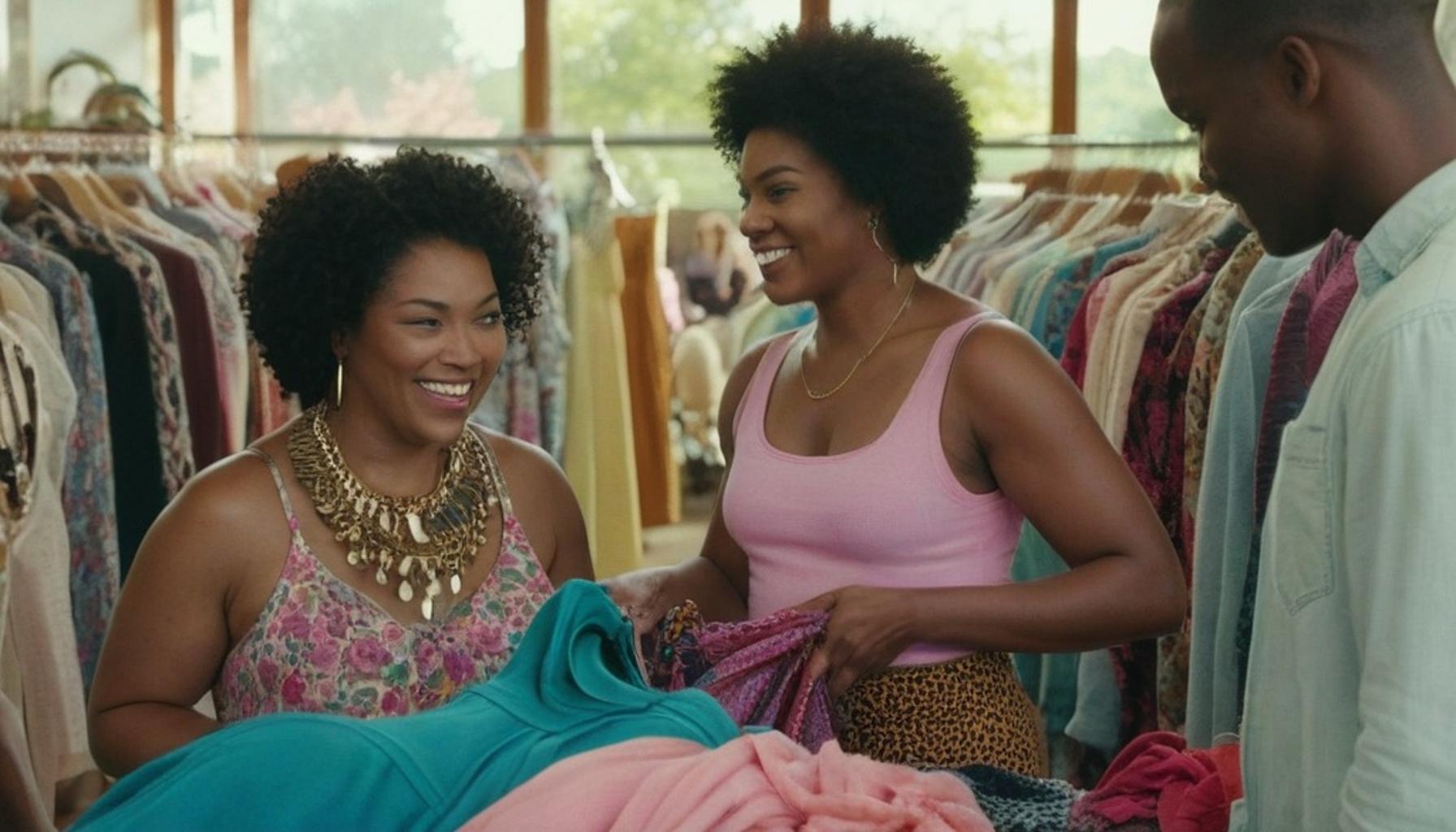
- Consider Second-Hand Options: Explore thrift shops, vintage boutiques, or online resale platforms for unique finds that don’t contribute to new waste.
- Educate Yourself: Stay informed about the impact of fashion trends and brands on the environment and society.
By focusing on investments that align with sustainable values, consumers can significantly reduce the volume of clothing waste generated and empower ethical practices in the industry. This shift in mindset is not merely about choosing a brand; it reflects a larger commitment to reshape the fashion landscape in a positive way.
The Ripple Effect of Conscious Spending
The reduction of fast fashion consumption can spark a ripple effect throughout the industry, driving change and accountability among brands. When consumers consciously choose to support sustainable practices, they exert pressure on retailers to adapt and improve their methods. This buying power becomes a catalyst for transforming the fashion market into one that prioritizes ethical and eco-friendly practices.
In conclusion, while Shein and similar brands offer immediate gratification in terms of low-cost fashion, the long-term implications of supporting such businesses must be considered. By aligning spending with sustainable values, consumers can cultivate a lifestyle that benefits not only their wallets but also the health of the planet and the welfare of garment workers. As the age of conscious consumption continues to unfold, individuals have the unique opportunity to shape the future of fashion for generations to come.
DIVE DEEPER: Click here to learn more
Reevaluating Consumer Power in Fashion
The conversation surrounding sustainable fashion intensifies when consumers realize that their choices can decisively shape the future of the industry. The actions taken today in the realm of consumption do not merely impact personal satisfaction or financial health; they have broader implications that form the very fabric of the fashion landscape. Understanding the power of consumer demand allows individuals to engage in a more impactful dialogue about sustainability and ethical practices.
Consumer Behavior and Market Trends
In the United States, the rise of marketplaces like Shein highlights a stark contrast to emerging trends focusing on sustainability. However, as awareness about environmental issues rises, consumers are increasingly drawn to ethical alternatives. Brands that prioritize sustainability, such as Everlane and Reformation, are witnessing a steady increase in their market share as customers reevaluate their purchasing behaviors. This shift indicates that when consumers demand transparency and accountability from brands, companies are incentivized to alter their practices—ultimately leading to a more sustainable fashion ecosystem.
The Role of Advocacy in Fashion Choices
Advocacy plays a crucial role in promoting sustainable fashion. When consumers align their purchases with their values, they create a collective demand that calls for accountability from fast fashion giants. Organizations and movements focused on sustainability encourage shoppers to ask crucial questions before buying clothes: Who made this? What materials are used? How is this garment impacting the environment? Empowering consumers with knowledge enables them to make informed decisions that may sway monumental shifts within the industry.
Encouraging Circular Fashion Practices
The concept of circular fashion encourages a shift from traditional linear consumption models, where items are produced, used, and discarded, to sustainable practices that extend the lifecycle of garments. Shein’s business model promotes overconsumption, leading to excessive waste and short-lived products. Conversely, embracing circular practices—such as upcycling, renting, or swapping clothes—can significantly mitigate the negative effects of fast fashion. This shift promotes a culture where clothing is valued, cared for, and reused, reducing the demand for new production and ultimately decreasing resource consumption.
Investments in Sustainable Solutions
Investing in sustainable solutions within the fashion sector goes beyond individual purchasing patterns; it includes supporting innovations that enhance sustainability. Numerous startups and companies are dedicated to researching and implementing eco-friendly technologies, such as biodegradable fabrics and low-impact dyeing processes. Investing in stocks or supporting crowdfunding campaigns of these ventures enables consumers to take a stance that serves the greater good. By making deliberate investment choices, individuals directly influence the types of practices that are rewarded in the market, fostering a culture of sustainability in the fashion industry.
As the conversation around sustainable fashion evolves, it’s imperative for consumers to harness their power and drive real change. Transparent and ethical practices are no longer a mere trend; they are necessities that the fashion industry must adapt to in order to thrive. Individual choices can become a collective wave of transformation that reshapes how fashion is produced, consumed, and valued—ensuring a healthier planet and a more equitable industry for future generations. The journey towards sustainability is not achieved through solitude but thrives on the collective action brought forth by informed and conscious consumers.
DISCOVER MORE: Click here to delve deeper
Conclusion
The impact of Shein on sustainable fashion and conscious consumption reveals a critical juncture for consumers. As the fast fashion giant thrives on an unsustainable model that prioritizes cheap production and rapid turnover, consumers are faced with a unique opportunity to reshape the market landscape. Today’s financial decisions not only influence personal budgets but also echo through the future of the fashion industry. By choosing ethical brands, investing in sustainable practices, and advocating for accountability, consumers can foster a transformational shift toward sustainability.
It is essential for shoppers to remember that every purchase can support or undermine the ethical practices within fashion. Educating oneself about circular fashion, the implications of fast fashion, and responsible consumption empowers consumers to make choices that align with their values. By directing their investments towards innovative, sustainable solutions, individuals can catalyze change that extends beyond their immediate shopping habits.
Ultimately, the journey toward a sustainable future in fashion is collective. When consumers leverage their power as informed advocates, they contribute to a comprehensive movement that prioritizes the planet and equitable labor practices. As awareness grows, consumers’ impact can guide the industry away from the pitfalls of overconsumption, nudging it toward a more sustainable, equitable model. Thus, it is crucial that today’s consumers recognize their role—not just as buyers but as active participants in shaping a more conscious and responsible fashion landscape.

adminwp2
James Carter is a writer and consultant with extensive experience working with people and organizations. He offers clear analysis and comprehensive perspectives, helping readers better understand complex issues and overcome challenges. His goal is to provide knowledge that supports smarter decisions and long-term success.